 LMS
LMS- Join the Best Data Science Training Institute to Master Data Collection and Analysis.
- Complete Data Science Training – Covers Excel, SQL, Python, Power BI and Tableau.
- Work on Real-time Projects and Gain in-demand Skills Through Practical, Hands-on Training.
- Choose From Flexible Learning Modes Weekday, Weekend or Fast-track to Suit Batches.
- Industry-recognized Data Science Certification With Job Placements.
- Get Guidance for Resume Building, Interview Prep and Career Advancement Strategies.
Join Our 100% Job Guaranteed
Best Data Science Course
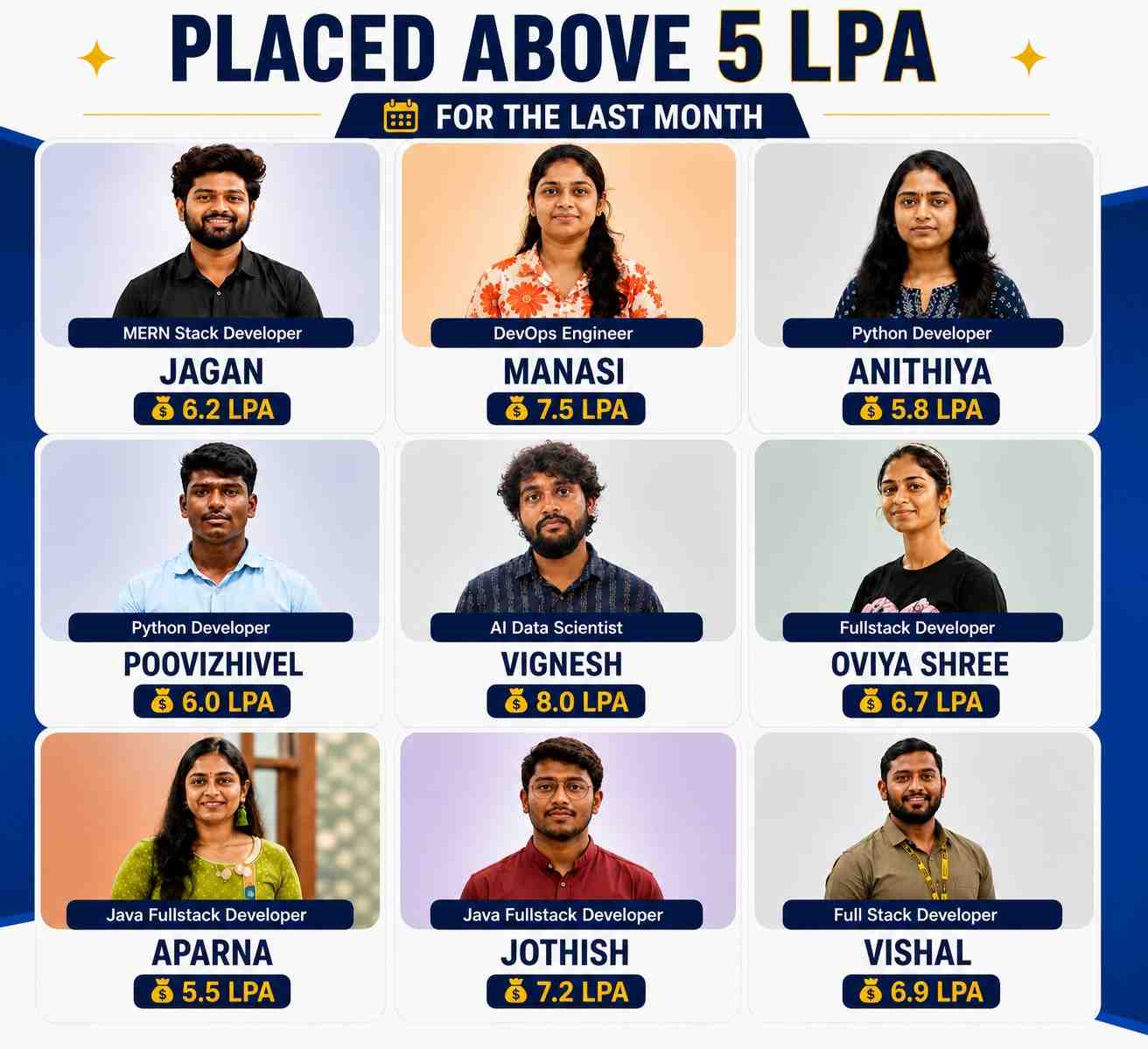
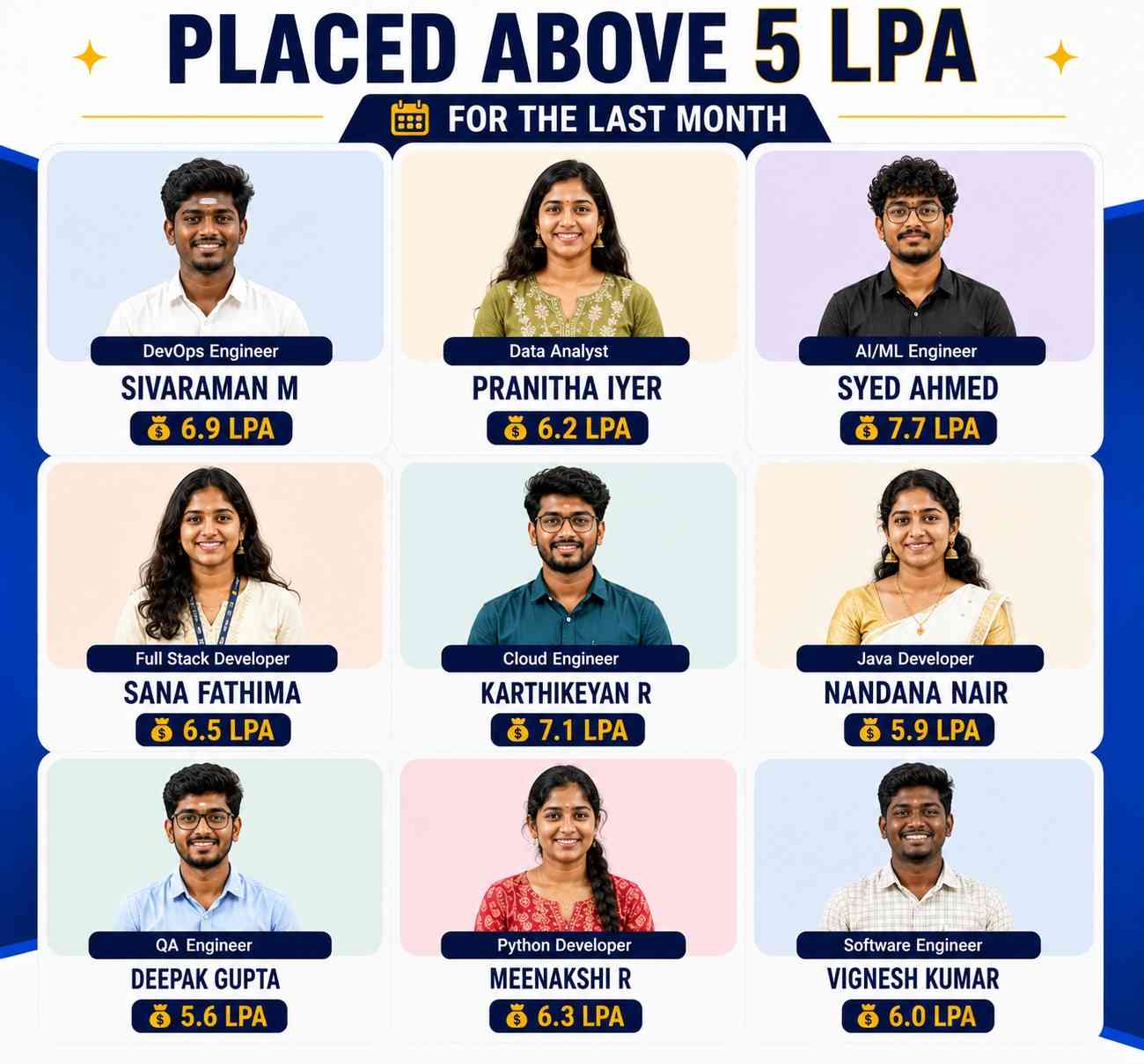
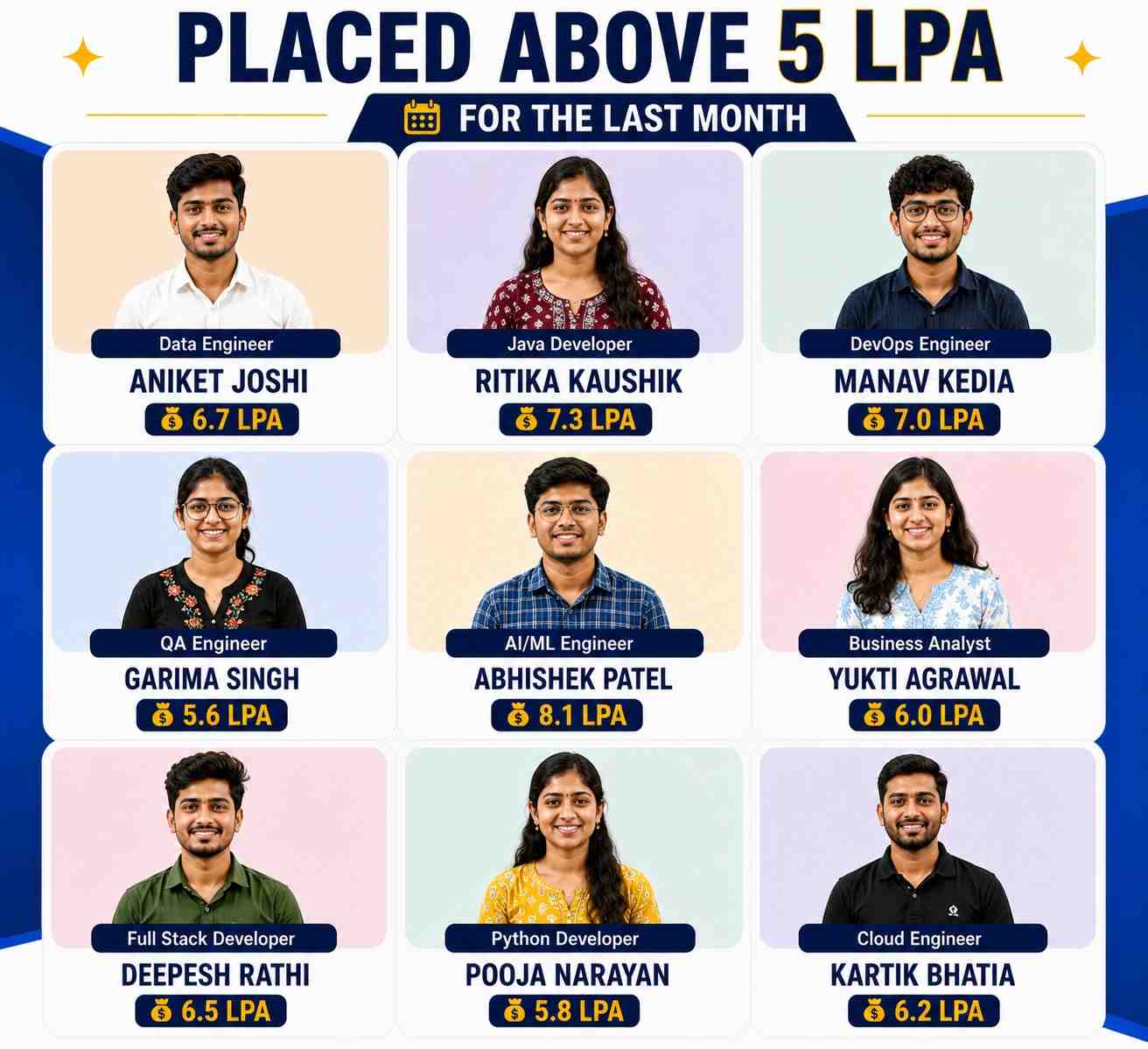
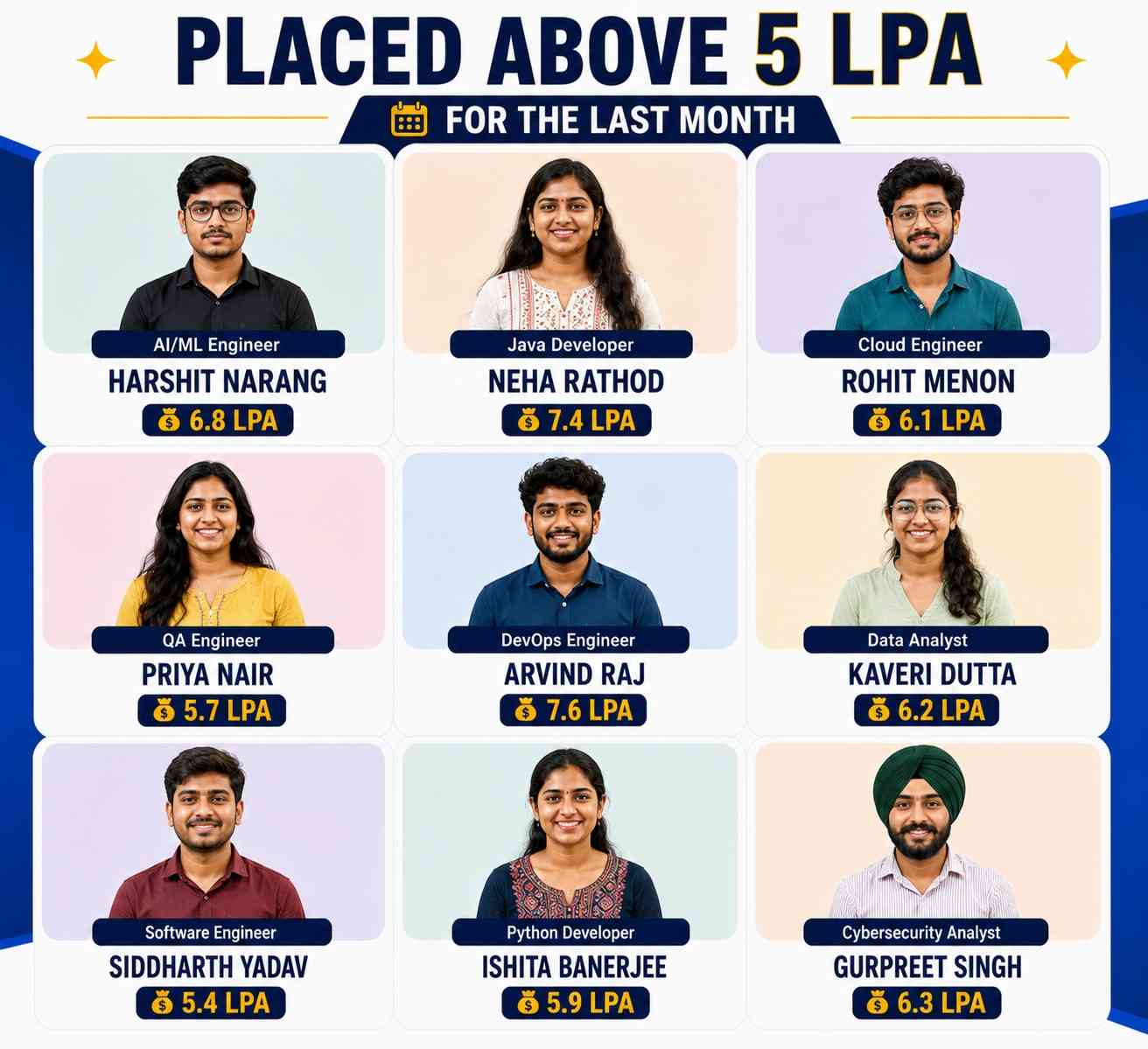
Explore Active Opportunities on
 by ACTE
Live
1000+
Jobs and Internships
Quality Training With Affordable Fees!
 Fees Starts From
INR
36,000
INR 16,500

11223+
(Placed)
5389+
(Placed)
7876+
(Placed)
3789+
(Placed)We Offer Both Online and Classroom Training in Chennai & Bangalore.
Our Hiring Partners

Overview of Data Science Course
Our Data Science Training equips you with both foundational and advanced data skills through clear, practical lessons. This Data Science Course covers essential tools and techniques like Python, SQL, Excel, Power BI, Machine Learning, and Data Visualization. You'll also earn a Data Science Certification and gain hands-on experience through our Data Science Internship. In addition, we offer a 30-Day Placement Preparation Program that includes resume building, job portal setup, daily job applications, mock interviews, HR guidance, and soft skills training all designed to help you land a job faster in the field of Data Science Placement.
What You’ll Learn From Data Science Certification Course
- This comprehensive Data Science course is designed for both newcomers and professionals aiming to strengthen their expertise in working with data from the ground up.
- You’ll dive into essential concepts such as Excel for data organization, SQL for handling databases and Python for data manipulation, analysis and automation.
- Powerful visualization platforms like Power BI and Tableau will assist you in converting unprocessed data into compelling dashboards and insightful reports.
- Hands-on projects mirror real business challenges allowing you to apply what you learn in practical job ready scenarios.
- By the end of the program, you will be equipped with the skills to confidently manage data driven tasks and follow best practices used across the industry.
- This training prepares you for roles such as Data Scientist, Data Analyst, or BI Analyst and includes a certification to boost your career credentials.
Additional Info
Course Highlights
- Master Python, Machine Learning, Deep Learning, Statistics, SQL, Power BI and AI in complete Data Science Course.
- Get 100% placement assistance with connections to top hiring companies.
- Join 11,000+ learners placed successfully through our 350+ hiring partners.
- Learn directly from data scientists with 10+ years of industry experience.
- Enjoy flexible schedules, budget-friendly fees and lifetime access to learning resources.
- Gain expert insights from 650+ tech mentors on a single platform.
- Building successful data careers through classroom training across 9+ centers in Bangalore and Chennai.
Exploring the Benefits of Data Science Course
- Real-World Problem Solving – A Data Science Course in Chennai and Bangalore teaches you to solve real-life business problems using data. You’ll learn to collect, clean and analyze information to find useful insights. This helps companies make smarter choices. It also builds your confidence in handling real-world situations.
- High Demand Across Industries – Data science is needed in almost every industry today like healthcare, banking, retail and IT. Taking a course prepares you for jobs that are always in demand. You become skilled in tools that employers look .
- Strong Skill Development – The course helps you build technical skills like Python, SQL and data visualization. It also improves your thinking and problem-solving abilities. These skills are useful even outside the classroom. Over time, you become sharper and more confident in using data.
- Better Career Opportunities – With data science training, you qualify for roles like data analyst, business analyst or junior data scientist. These roles offer good salaries and room to grow. Many companies are actively hiring trained candidates. This course gives you a strong start to a rewarding career.
- Practical Learning with Projects – You won’t just study theory you’ll work on real projects too. These hands-on tasks you apply what you learn. They also let you build a portfolio to show during job interviews. Employers value this kind of practical experience a lot.
Essential Tools for Data Science Training
- Python – Python is a popular language for programming in data science because it’s easy to learn and has powerful libraries. Tools like Pandas, NumPy and Matplotlib help with data cleaning, calculation and visualization. Python allows you to automate tasks and build machine learning models. It’s a must-have skill for every data science learner.
- SQL (Structured Query Language) – SQL is used to fetch and manage data stored in databases. It helps you filter, sort and organize large sets of structured data easily. With SQL data scientists can quickly find insights by writing simple queries. It is essential for handling real-world business data stored in relational databases.
- Excel – Excel is a great starting point for beginners in data science. It helps in organizing data making calculations and building quick charts and reports. Excel pivot tables and formulas make it easy to explore patterns in data. It is often used in the early stages of data analysis or small-scale projects.
- Power BI – Power BI is a tool by Microsoft used to turn raw data into visual dashboard and reports. It connects with various data sources and helps present complex data in a simple way. With drag-and-drop features you can build interactive visuals without coding. It is perfect for sharing insights with teams and decision-makers.
- Jupyter Notebook – Jupyter Notebook is an open-source tool used for writing and running code, mostly in Python. It helps you mix code, charts and text in one place, making your work easy to read and understand. It’s widely used for data cleaning, visualization and presenting analysis step-by-step. Jupyter is perfect for both learning and sharing projects.
Top Frameworks Every Data Science Should Know
- TensorFlow – Google developed the open source TensorFlow framework it helps build and train machine learning models. It supports both deep learning and neural networks, making it ideal for handling complex data problems. With tools for building models easily, It is extensively utilized in natural language processing, picture identification and AI applications. TensorFlow works across platforms and supports both CPUs and GPUs.
- PyTorch – PyTorch is a flexible and user friendly machine learning framework developed by Facebook. It is popular among researchers and developers for deep learning tasks. PyTorch allows dynamic computation graphs, means changes can be made on the go while training models. It’s known for being easy to debug and highly efficient for building custom AI models.
- Apache Spark – Apache Spark is a framework for processing large amounts of data that can handle large datasets across multiple computers. It speeds up data analysis by using in-memory computing and supports tasks like batch processing, machine learning and real-time streaming. Spark works well with languages like Python, Scala and Java. It’s a must-know for data scientists working with big data and scalable systems.
- Scikit-learn – Scikit-learn is a powerful Python library for traditional machine learning. It includes ready-to-use tools for classification, regression, clustering and more. The framework is simple to use and great for beginners as well as experts. It is often used in data analysis pipelines and works well with NumPy and pandas.
- Keras – Keras is a high-level neural network API built on top of TensorFlow. It is known for its simplicity allowing users to quickly build and train deep learning models. With clean and readable syntax Keras makes it easy to experiment and model. It is a great choice for those want to focus on model design without dealing with complex backend code.
Must-Have Skills You’ll Gain in a Data Science Course
- Data Cleaning and Preparation – In any Data Science project, cleaning messy data is the first and most important step. You’ll learn to handle missing values, remove duplicates and format data correctly. This makes sure your analysis is accurate and trustworthy. Clean data leads to better results and smarter decisions.
- Statistical Analysis and Thinking – Understanding basic statistics you make sense of numbers and patterns in data. You will explore topics such as averages links and chances to find hidden insights. This skill you explain trends clearly and confidently. Good statistical thinking supports strong business strategies.
- Programming with Python – Python is a most popular language in data science for a reason it’s powerful and easy to learn. You’ll use libraries like Pandas and NumPy to analyze data and automate tasks. With Python you can solve real problems faster and more efficiently. It also supports machine learning and data visualization.
- Data Visualization – Presenting data in charts and dashboards helps others understand it better. You will employ programs such as Tableau, Power BI or Matplotlib to turn complex numbers into clear visuals. This skill makes your work more impactful in meetings and reports. Strong visualizations help people take action on your insights.
- Machine Learning Basics – You’ll get introduced to algorithms that help predict future outcomes using past data. Concepts like classification, regression and clustering will be covered in simple ways. These skills allow you to build smart models that solve business problems. Machine learning adds real value to your data science journey.
Roles and Responsibilities of Data Science Training
- Data Science Project Manager – A Data Science Project Manager plans and oversees the entire project lifecycle. They coordinate between data scientists, business teams and stakeholders to ensure clear goals and timelines. They track progress, manage resources and solve roadblocks. The role ensures that data projects are delivered successfully and meet business needs.
- Data Analyst – A Data Analyst collects, organizes and studies data to find useful trends and insights. They use tools like Excel, SQL and visualization platforms to turn data into reports. Their findings help companies make smarter decisions. This role focuses on interpreting past data to support business strategies.
- Machine Learning Engineer – A Machine Learning Engineer builds models that allow machines to learn from data. They use Python and libraries like Scikit-learn or TensorFlow to create smart algorithms. These models can make predictions, detect patterns or automate tasks. The job needs both coding skills and a strong understanding of math.
- Data Engineer – Data Engineers design systems to collect, store and process large amounts of data. They build data pipelines and maintain databases so analysts and scientists get the right data. They often work with cloud platforms and big data tools. Work ensures the flow of accurate and reliable data across teams.
- Business Intelligence (BI) Developer – A BI Developer creates dashboards and reports that present complex data in a simple way. They use tools like Power BI or Tableau to help decision makers understand key business trends. They connect various data sources to visualize performance metrics. This role supports fast and informed decision making visuals.
Why Data Science is a Great Career Option for Freshers
- High Demand Across Industries – Data science is used in almost every field today healthcare, banking, e-commerce and more. Companies need people can understand and use data to make smart decisions. This rising demand creates many job opportunities for beginners. Freshers with the right skills are welcomed in all sectors.
- No Need for Prior Experience – You don’t need years of work experience to start in data science. Many fresh graduates begin with basic knowledge of Python, Excel and statistics. With practical training, even non-technical students can succeed. It’s one of the few careers where freshers can quickly grow.
- Great Starting Salaries – Entry-level data science jobs offer better pay than many other beginner roles. As a fresher, you can earn a strong salary while building experience. The more you learn and practice, the faster your income grows. It is a rewarding field both professionally and financially.
- Fast Career Growth – Data science offers a clear and fast career path from analyst to senior data scientist or manager roles. As companies rely more on data skilled professionals get promoted quickly. Certifications and projects help boost your profile. Within a few years, freshers can lead teams and make key decisions.
- Chance to Work on Real Problems – Freshers in data science solve real-world challenges using data from improving customer service to predicting market trends. Every project gives hands-on experience and builds confidence. This makes the work interesting and impactful. It’s a career where learning never stops and ideas matter.
How Data Science Skills Help You Get Remote Jobs
- Independent Problem Solving – Data science teaches you to analyze problems, find patterns and build solutions without constant supervision. These skills help you work independently, which is important in remote roles. You learn to take initiative and solve issues using logic and data. Employers trust data scientists can deliver results on their own.
- Strong Communication with Data – Working remotely means you must explain your insights clearly through charts, reports or dashboards. Data science improves your ability to present complex ideas in a simple, visual way. This helps teams understand your work without long meetings. Clear communication makes you a valuable remote team member.
- Cloud-Based Tools and Collaboration – Most data science tools like Jupyter, GitHub and Google Colab run on the cloud, allowing you to work from anywhere. You can share code, data and reports with teams in real-time. These platforms support smooth collaboration even if everyone is in different locations. It prepares you for global remote jobs.
- Flexible and Project-Based Work – Data science tasks often revolve around projects like building models, analyzing trends or creating dashboards. These can be managed with flexible hours as long as the work gets done. Employers care more about quality than clocking time. This makes data science perfect for remote and freelance opportunities.
- Global Demand and Digital Hiring – Companies around the world hire data professionals to understand their customer data and improve operations. With strong data skills, you’re not limited by geography you can apply for jobs anywhere. Interviews, tasks and onboarding often happen online. Data science opens doors to a truly global remote career.
What to Expect in Your First Data Science Job
- Working with Raw and Messy Data – In your first data science job, most of the data you handle won’t be clean or organized. You'll spend a lot of time fixing errors, filling missing values and formatting data properly. This process is called data cleaning and it's a vital step before analysis. Learning to handle messy data makes your insights more reliable.
- Applying the Right Models and Tools – You’ll use tools like Python, SQL and Excel to study the data and build models. Choosing the right method for each task is important for solving problems effectively. Whether it's predicting sales or customer behavior, your job is to use the best-fit solution. Over time, you’ll get better at picking tools quickly and accurately.
- Understanding Business Goals – Every data project is linked to a business goal like saving costs or increasing sales. You'll work closely with teams to understand what problem they need to solve. Your role is to turn business questions into data tasks and provide insights that help. Knowing the bigger picture helps you deliver value, not just numbers.
- Explaining Data to Non-Experts – One big part of your job is showing your results in a way that anyone can understand. You’ll create charts, reports and dashboards to tell a clear story from the data. This helps managers make smart decisions even if they aren’t technical. Good communication is just as important as good coding.
- Learning Every Day on the Job – The data science field is always changing with new tools, trends and techniques. In your first role, expect to keep learning by trying new things and solving real problems. You’ll grow by asking questions, getting feedback and staying curious. The more you learn, the more valuable you become to your team.
Top Companies Hiring Data Science Professionals
- IBM – IBM leads the world in AI and cloud technology, actively hiring data science professionals for advanced analytics roles. They work on solving business problems using machine learning, automation and predictive modeling. At IBM, data scientists collaborate with cross-functional teams to build smarter systems. The company offers great learning support and exposure to cutting-edge tools.
- Accenture – Accenture recruits data science experts to help clients make better decisions through data-driven strategies. Their teams handle projects involving big data, customer behavior analysis and business intelligence. Working at Accenture means gaining real-world experience across industries like banking, retail and healthcare. It’s ideal for freshers and experienced professionals looking for innovation.
- Deloitte – Deloitte uses data science to improve client performance in areas like finance, risk and operations. Data scientists here work with structured and unstructured data to discover trends and drive decisions. The company focus on ethical AI and responsible data use. It provides hands-on experience with real-time projects and global consulting access.
- Amazon – Amazon uses data science in everything from product suggestions to delivery route optimization. The data teams handle massive datasets to improve customer experience and operational efficiency. A role at Amazon helps you build models that directly impact millions of users. They value problem solvers with strong technical and business understanding.
- TCS (Tata Consultancy Services) – TCS hires data science professionals to support digital transformation across global clients. You’ll work on real-world problems in supply chain, finance, healthcare and more. TCS invests in training and upskilling, making it beginner-friendly for fresh graduates. The work environment encourages innovation, collaboration and long-term growth.
Show More
Tools Covered For Data Science Certification Training




Upcoming Batches For Classroom and Online
Weekdays
21 - Sep - 2026
08:00 AM & 10:00 AM
Weekdays
23 - Sep- 2026
08:00 AM & 10:00 AM
Weekends
26 - Sep - 2026
(10:00 AM - 01:30 PM)
Weekends
27 - Sep - 2026
(09:00 AM - 02:00 PM)
Can't find a batch you were looking for?
What’s included ?

📊 Free Aptitude and Technical Skills Training
- Learn basic maths and logical thinking to solve problems easily.
- Understand simple coding and technical concepts step by step.
- Get ready for exams and interviews with regular practice.

🛠️ Hands-On Projects
- Work on real-time projects to apply what you learn.
- Build mini apps and tools daily to enhance your coding skills.
- Gain practical experience just like in real jobs.

🧠 Launch Your Career in Top MNC Companies
- Master technical and HR interview rounds.
- Gain confidence with expert mock interview practice.
- Improve your chances of getting hired faster.

🎯 Interview Preparation For Freshers
- Practice company-based interview questions.
- Take online assessment tests to crack interviews
- Practice confidently with real-world interview and project-based questions.
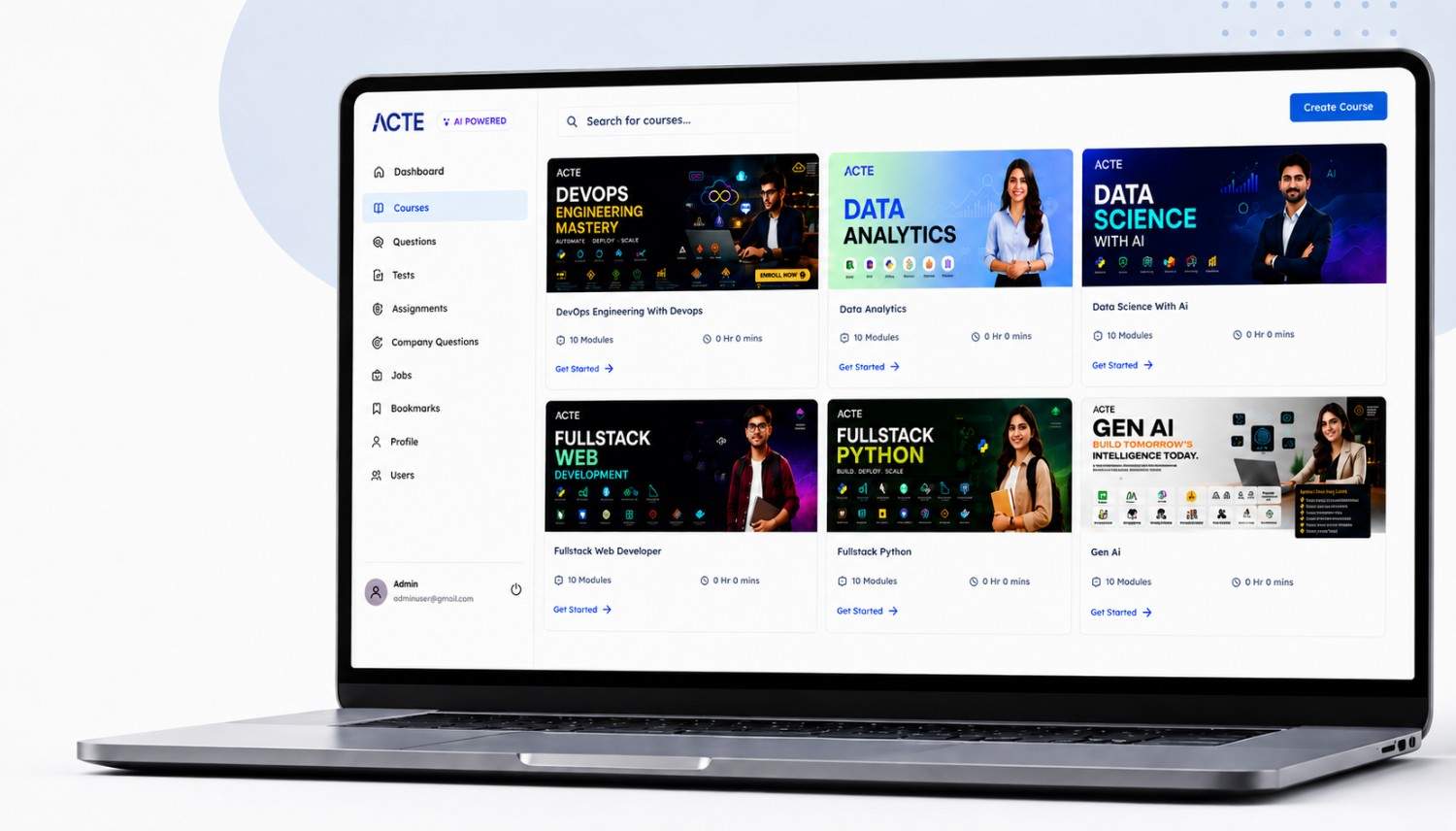
🧪 LMS Self Learning Platform
- Explore expert trainer videos and documents to boost your learning.
- Study anytime with on-demand videos and detailed documents.
- Top MNC interview questions & self coding practice.
Data Science Course Syllabus
- 🏫 Classroom Training
- 💻 Online Training
- 🚫 No Pre Request (Any Vertical)
- 🏭 Industrial Expert
Learners joining the Data Science Course can decide on a specific track according to their job and hobbies plans, giving them a better chance to land jobs with top companies. This flexible course structure allows them to dive into topics like machine learning, data visualization or statistics, while also building a strong foundation in core data science skills. We offer Data Science Courses in the Classroom and Online, so anyone can learn data science from anywhere.
- Data Science with Python – Learn to work with Python and key libraries such as Pandas, NumPy and Matplotlib to manage, analyze and visualize data efficiently.
- Data Science with R – Focuses on using R to explore data, create meaningful charts and perform statistical analysis across various domains.
- Business Data Science – Covers tools like Excel, Power BI and SQL to analyze business data, uncover insights and support decision-making processes.
- Machine Learning in Data Science – Offers hands-on experience in creating predictive models, handling real data and applying machine learning using Python.
Introduction to Data Science
Python for Data Science
Data Handling & Preprocessing
SQL for Data Management
Exploratory Data Analysis
Machine Learning Foundations
Data Science with AI Tools
Builds the base to understand the field and its core functions:
- What is Data Science – Importance, applications and workflow
- Data Science vs Data Analytics – Key differences in roles and outcomes
- Tools & Technologies – Overview of Python, R, SQL, Excel, Tableau
- Career Paths – Roles like data analyst, data scientist, ML engineer
Covers essential programming and data handling with Python:
- Python Basics – Variables, data types, loops, functions
- Pandas – Reading, cleaning, filtering and grouping data with DataFrames
- NumPy – Efficient numerical operations using arrays
- Matplotlib & Seaborn – Plotting line graphs, bar charts, heatmaps and histograms
Focuses on preparing raw data for analysis:
- Data Collection – Importing data from files, databases, APIs
- Data Cleaning – Handling missing values, duplicates and outliers
- Data Transformation – Encoding, normalization, scaling
- Feature Engineering – Creating meaningful features from raw data
Gain knowledge about to access and modify data kept in databases:
- Basic SQL Commands – SELECT, WHERE, ORDER BY
- Joins & Relationships – INNER JOIN, LEFT JOIN, RIGHT JOIN
- Aggregation Functions – COUNT, SUM, AVG, MAX, MIN
- Views & Subqueries – Organizing and optimizing data queries
Helps find insights and patterns in data visually and statistically:
- Data Profiling – Summary statistics, distributions, data types
- Visualization Tools – Box plots, scatter plots, pair plots
- Correlation Analysis – Identifying relationships between variables
- Outlier Detection – Visual and statistical methods
Introduces predictive modeling and intelligent data-driven systems:
- Supervised Learning – Regression and classification techniques
- Unsupervised Learning – Clustering and dimensionality reduction
- Model Building – Training, testing and tuning machine learning models
- Evaluation Metrics – Accuracy, precision, recall, ROC curve
Applies all learned skills in real-world scenarios:
- Power BI / Tableau – Interactive dashboards and storytelling
- Model Deployment Basics – Introduction to using Flask or Streamlit
- Documentation & Reporting – Presenting insights clearly and effectively
🎁 Free Addon Programs
Aptitude, Spoken English
🎯 Our Placement Activities
Daily Task, Soft Skills, Projects, Group Discussions, Resume Preparation, Mock Interview
Get Real-Time Experience in Data Science Projects
Project 1
Web Scraping
Build a movie review aggregator that scrapes titles, ratings, genres, and user reviews from IMDb or Rotten Tomatoes, organizing the data for further analysis.
Project 2
Data Cleaning
Clean a messy retail transaction dataset by handling missing values, duplicates, inconsistent date formats, and standardizing fields like city names and currency types.
Project 3
Exploratory Data Analysis
Perform EDA on an HR dataset to uncover patterns in employee attrition based on factors like job role, salary, work-life balance, and years at the company.
Project 4
Sentiment Analysis
Analyze Amazon product reviews by cleaning the text and classifying sentiments (positive, negative, neutral) to understand customer opinions about product features.
Project 5
Data Visualization
Create an interactive bank loan dashboard using Tableau or Power BI to visualize loan approvals, customer demographics, and default rates with dynamic filters.
Who Should Take a Data Science Certification Training
IT Professionals
Non-IT Career Switchers
Fresh Graduates
Working Professionals
Diploma Holders
Professionals from Other Fields
Salary Hike
Graduates with Less Than 60%
Show More
Job Roles For Data Science Certification Course
Data Scientist
Data Analyst
ML Engineer
Data Engineer
BI Analyst
Statistician
AI Engineer
Big Data Engineer
Show More
Data Science Training Offered Classroom (Chennai & Bangalore) and Online.
Easy Coding
8 Lakhs+ CTC
No Work Pressure
WFH Jobs (Remote)
Why Data Science is the Ultimate Career Choice
High Demand
Companies prefer multi-skilled professionals can handle entire project cycles.
Global Opportunities
Open doors to remote and international job markets.
High Salary
Enjoy competitive salaries and rapid career advancement.
Flexible Career Path
Explore roles such as developer, architect, freelancer, or entrepreneur.
Future-Proof Career
Stay relevant with skills that are consistently in demand in the evolving tech landscape.
Versatility Across Industries
Work in various domains like e-commerce, healthcare, finance, and more.
Career Support


Placement Assistance

Exclusive access to ACTE Job portal

Mock Interview Preparation

1 on 1 Career Mentoring Sessions

Career Oriented Sessions

Resume & LinkedIn Profile Building
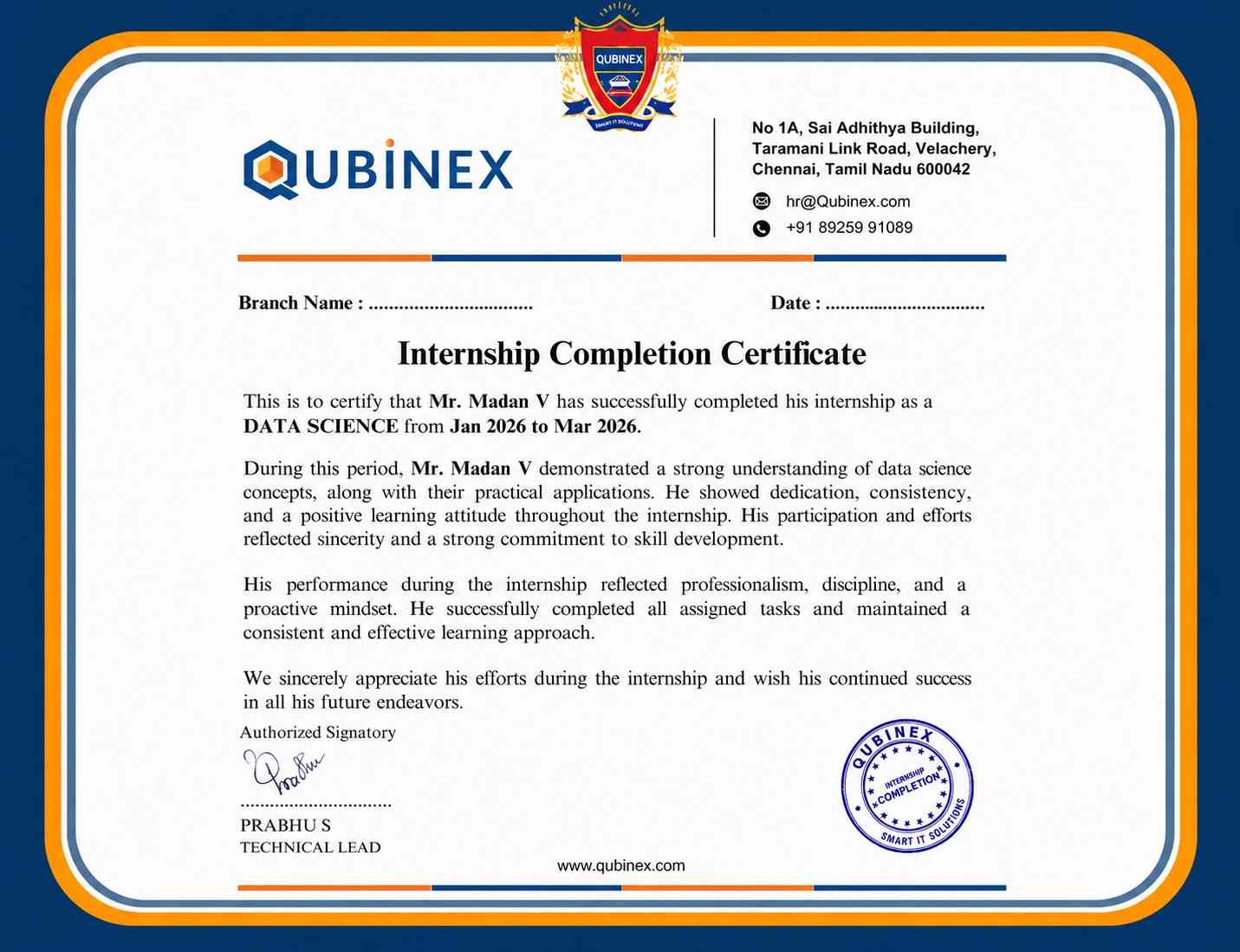
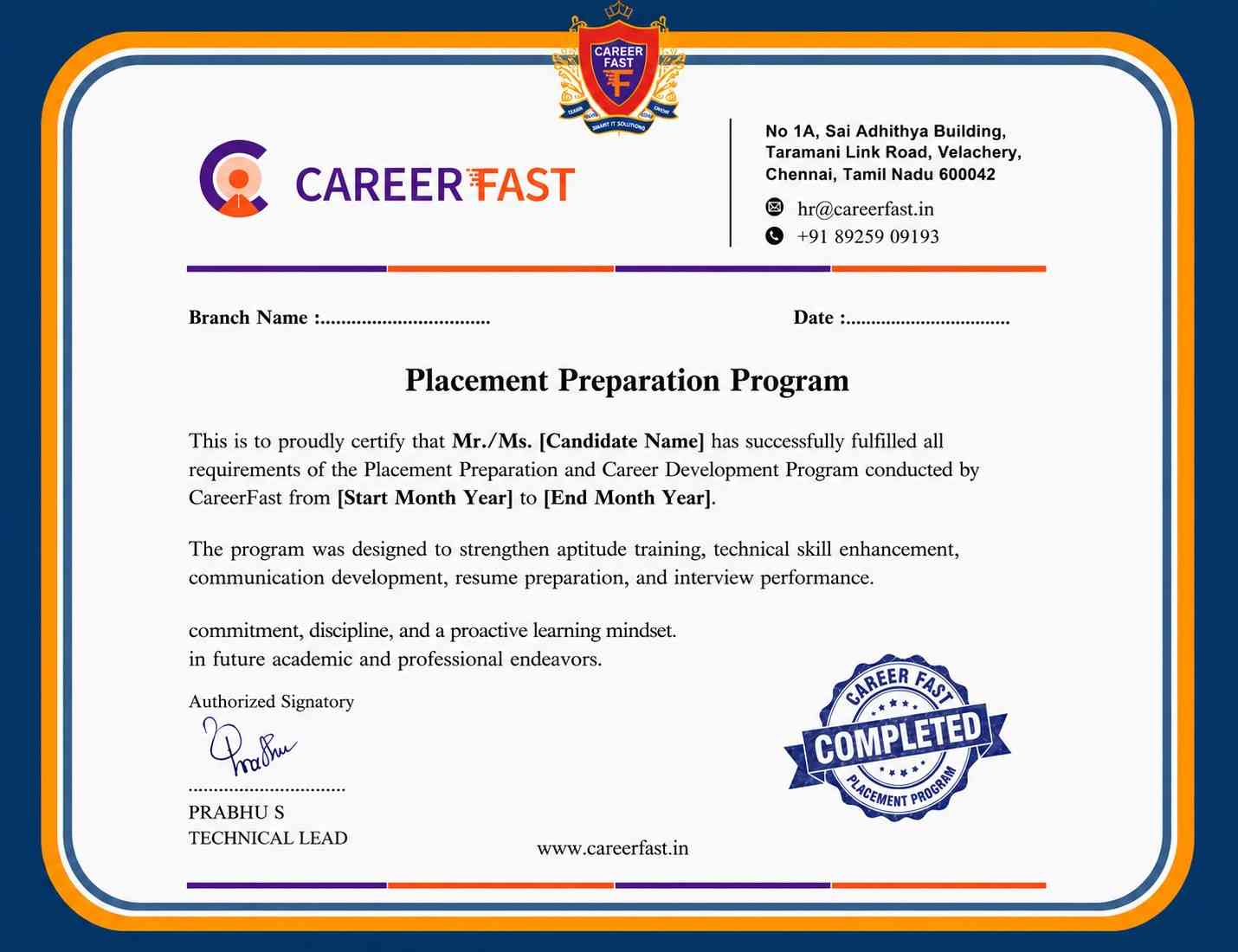
Get Advanced Data Science Certification
You'll receive a certificate proving your industry readiness.Just complete your projects and pass the pre-placement assessment.This certification validates your skills and prepares you for real-world roles.



📜 Industry-Recognized Certification
Earn official, shareable certifications recognized by top companies — a powerful proof of your job-ready skills.
🚀 Get Discovered by Top Employers
Let recruiters come to you with your verified profile — focus on learning while we connect you to real opportunities.
💼 Real-World Project Experience
Work on real-world projects to sharpen your skills and build a portfolio that impresses employers instantly.

Lowest Data Science Course Fees
Affordable, Quality Training for Freshers to Launch IT Careers & Land Top Placements.
Data Science Course FAQs
1. What is the duration of a Data Science course?
The Data Analyst course at ACTE in Chennai typically lasts 3 to 5 months, depending on the learning track you choose. You can opt for weekend, weekday or fast-track batches to suit your schedule and pace.
2. Why is everyone saying ACTE online sessions are extremely effective?
ACTE’s online sessions are praised for their interactive teaching, real-time project training and expert instructors with industry experience. The sessions are structured to be practical and easy to follow, which helps learners understand and apply concepts quickly.
3. How flexible are the timings of ACTE Intensive program?
ACTE offers flexible class timings including early morning, evening and weekend batches. This makes it convenient for both working professionals and students to attend without interrupting their daily routine.
4. What if I get doubts while learning?
If you have doubts during your learning, you’ll get immediate support through live sessions, Q&A time and one-on-one doubt clarification with mentors. There also a dedicated support team to assist you even after class hours.
5. Why is it recommended that you learn right from fundamentals at ACTE Intensive?
Starting from the basics at ACTE ensures you build a strong foundation especially if you are from a non-technical background. The structured step by step approach helps you understand core concepts clearly before moving to advanced topics.
1. What is the eligibility for Data Science course?
Anyone with a bachelor’s degree or diploma in any stream is eligible to join the Data Science course at ACTE. No prior coding or technical background is required just a willingness to learn and grow.
2. Why can anyone join the program regardless of their background?
The ACTE program starts from the very basics, making it beginner-friendly. Whether you're from arts, commerce or science, the training builds your skills step by step, so your background doesn’t limit your opportunities in tech.
3. How do a lot of grads with BSc, MBA, B.A., or B.Com degrees land IT jobs?
With the right training, graduates from non-technical degrees are learning tools like Excel, SQL and Power BI and becoming job-ready. ACTE’s placement support and real-time projects help them confidently apply for analyst and tech roles.
4. How many graduates are landing a tech job, even with a career gap?
ACTE focuses on skill-building, not just your resume history. With practical projects, mock interviews and placement drives, even those with a gap can prove their capabilities and secure tech jobs based on merit and confidence.
5. Can a non-IT person learn Data Science?
Yes, a non-IT person can definitely learn Data Science and many people from fields like business, finance, biology, marketing and even humanities have successfully transitioned into data science careers.
1. What are the requirements to qualify for the placement benefit?
To be eligible for placement support, you must attend classes regularly, complete all assignments and projects and participate in mock interviews. Consistent effort and active involvement in training sessions are key to unlocking full placement assistance.
2. What guidelines must be followed to successfully get a placement?
You should apply to job openings daily, attend interview prep sessions, respond promptly to HR calls and maintain an updated resume. Staying committed, practicing regularly and taking feedback seriously will increase your placement success rate.
3. How would my career planning session benefit my career, and who will serve as my mentor?
Your career planning session will be guided by an experienced industry mentor or placement expert. They will assess your strengths, suggest suitable job roles, help you create a growth plan and share real-world tips to help you reach your goals faster.
4. Where and what kind of internship might I anticipate after completing the program?
After completing the course, you can expect a real-time internship with companies in Chennai, Bangalore or remote locations, focusing on data handling, report creation or project-based analytics tasks. It’s designed to give hands-on industry exposure.
5. What is the stipend I will get an offer for?
Internship stipends vary based on the company, but you can expect a range between ₹5,000 to ₹15,000 per month. Some roles may even offer higher pay depending on your performance, skill level and the complexity of the projects.
1. What certifications are offered in Data Science training?
- IBM Data Science Professional Certificate
- Google Data Analytics Certificate
- SAS Certified Data Scientist
- Cloud Certified Data Scientist (CCDS)
- Certified Analytics Professional (CAP)
2. Does receiving certification in Data Science guarantee employment?
While a Data Science certification enhances your credibility and demonstrates your skills, it does automatically guarantee employment. Hiring depends on experience, practical knowledge, project work, and the ability to solve real-world problems alongside certification credentials.
3. How long does it take to become certified in Data Science?
The time to earn a Data Science certification varies depending on the program and your pace of learning. Typically, professional certifications take 3–6 months for comprehensive courses, while shorter bootcamps may be completed in 1–3 months with dedicated study.
4. What are the benefits of Data Science Certification?
- Validates your expertise and skills in data science
- Enhances employability and career prospects
- Provides hands-on experience with tools and technologies
- Increases chances of higher salary packages
- Helps in building a professional portfolio
5. How can I prepare effectively for the Data Science certification exam?
- Study the official course syllabus thoroughly
- Practice with real-world projects and datasets
- Take mock tests and sample quizzes regularly
- Join online forums or study groups for discussion
- Revise key concepts in Python, SQL, Machine Learning, and Statistics
1. What are the different options available to pay the course fee?
ACTE offers multiple payment methods for your convenience including UPI, debit or credit cards, net banking and direct bank transfers. You can also choose from one time full payment or installment options based on the course structure.
2. Will I Get Support for Job Placement After the Course?
Yes, you will receive 100% job placement support after completing the course. Our dedicated placement team connects you with top hiring companies, helps you prepare for interviews, and guides you throughout your job search journey.
3. Why do fees differ between training centers?
Fees differ between training centers due to factors like trainer experience, course depth, placement support, and location. Institutes with expert trainers, hands-on projects, and job assistance often charge more. Centers in metro cities like Chennai or Bangalore may charge more because of operating expenses.
4. Is the fee of the training the same in every city?
Yes, we give the same fee for every city. No matter where you join from, the price stays equal. This helps students from all places learn at a fair cost.
100% Job Guarantee
Global Quality Training At The Lowest Fees & Expert Trainer
Available in:









